
Pistol Fundamentals
Grip, stance, draw, presentation, sight picture, trigger control. The non-negotiables, repped until automatic.
Discipline
Six tracks. One standard. Taught by vetted instructors with operational backgrounds — at private ranges, never on a stage.
Disciplines covered — pistol, carbine, defensive, close-quarters, precision, force-on-force.
Maximum student-to-instructor on every live-fire line. Every rep observed.
Tiered levels — Foundations, Applied, Defensive, Operator.
Quarterly shot-timer requalification on FAST, Bill, 1R1 and 2x2x2.
Grip, stance, draw, presentation, sight picture, trigger control. The non-negotiables, repped until automatic.
Zeroing, transitions, positional shooting, malfunction clearance, and movement under load.
Decision-making under stress, target discrimination, and engagement from concealment.
Edged-weapon defense, retention fighting, and confined-space engagement principles.
Long-range marksmanship — wind, range estimation, and stable position-building on a private range.
Live scenario work with simulated munitions to pressure-test technique against thinking opponents.
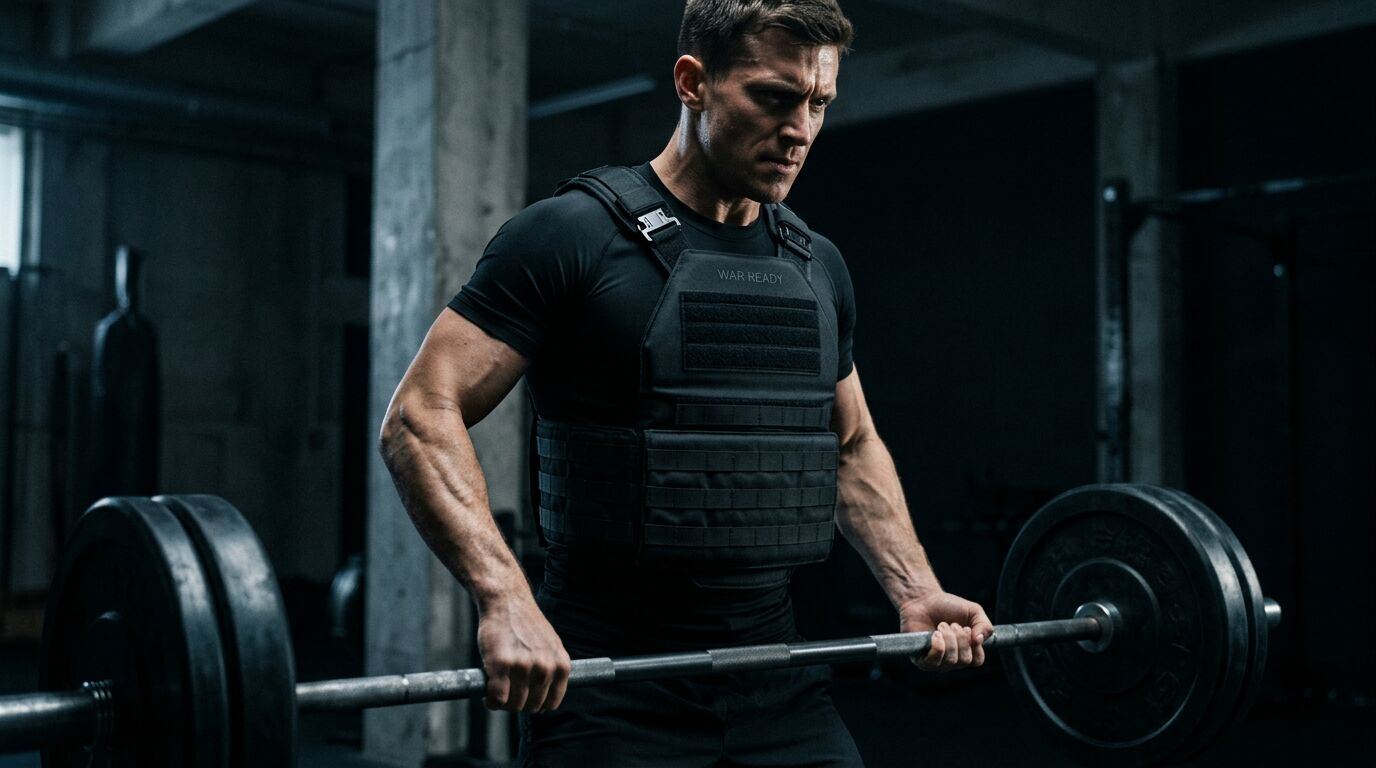
Every track culminates on the range. No spectacle. No theatrics. Just measured reps until the work is automatic — and a tiered curriculum that holds you to shot-timer standards used by elite federal selection courses.
Three days. Safety doctrine, mechanical fundamentals, dry-fire programming, first 800 rounds on paper. No previous experience required.
Four days. Concealment work, movement, multi-target engagements, low-light, malfunction drills, 1,800 rounds, introduction to shot-timer standards.
Five days. Force-on-force with marking cartridges, vehicle work, low-light into no-light, decision drills, legal and medical integration.
Seven days. Carbine integration, two-man drills, structure clearing principles, precision-rifle introduction, live scenario qualification.
Quarterly re-qualification on shot-timer pistol standards (FAST, Bill Drill, 1R1, 2x2x2). Membership-tracked scorecards.
Twelve hours, structured around the rhythm of fatigue and focus. The afternoon is harder than the morning — by design.
Mobility, draw drills with timer, weapon function check, medical and safety brief. The line opens cold.
Mechanical reset on grip, stance, presentation, sight picture. Every rep observed and corrected on the spot.
Drawing from concealment, multi-target engagements, transitions, malfunction drills. Live-fire only after dry standard.
Nutrition, decompression, video review of the morning. Top three error patterns identified for the afternoon.
Shot-timer standards. Pass/fail drills. Force-on-force scenarios with marking cartridges for upper levels.
Hand-held and weapon-mounted light fundamentals, target ID under duress, no-light into civilian-twilight transitions.
Round count log, scorecard entry into the member file, individual instructor notes, kit reset for tomorrow.

Each drill is scored on a shot-timer, recorded into your member file, and revisited at every quarterly requalification.
Instructors drawn from special-mission units, federal protective details, and competitive shooting podiums — vetted by lineage, not by Instagram following.
Capability does not equal coachability. Every lead instructor has completed an internal teach-back gauntlet before training a single member.
Maximum 6:1 student-to-instructor on the line. Every rep observed. Every error corrected the same day it appears.
Each member has a private training file — round counts, scored drills, recorded reps, instructor notes. The standard is measurable.
No sponsorships, no ambassador kit. The list reflects what survives the curriculum, not what writes a check.
Private 200-acre facility — 100-yard pistol bays, 600-yard rifle, indoor shoot-house, on-site medical.
Mountain-side range — 300-yard precision lanes, woodland scenario course, low-light bay.
Long-range capability to 1,200 yards, open-air shoot-house, scenario village for force-on-force.
Cold-weather training, alpine carbine work, vehicle CQB lanes, partner medical relationship.
Cooper's four rules govern every line, every drill, every dry-fire rep. Violations end your day.
TCCC-trained medical staff and a stocked trauma kit on every range, every day. Nearest Level-1 trauma center pre-briefed.
Background-checked, instructor-referred, and progression-tested. We do not sell access to the line.
No live round goes downrange until dry standards are met. Every member, every course.
No. Loaner pistols and full kit are provided through Level 2. Most members purchase a primary platform after Level 1, once they know what works for their hand and use case.
Every course integrates a legal block taught by a practicing attorney with a defensive-shooting practice. We do not give legal advice — we make sure you have someone good to call before you ever need to.
Operational pedigree, teach-back gauntlet, two-year apprentice on our line before lead status. We turn down significantly more applicants than we accept.
Reps. Honest reps. Until the work disappears into instinct.