
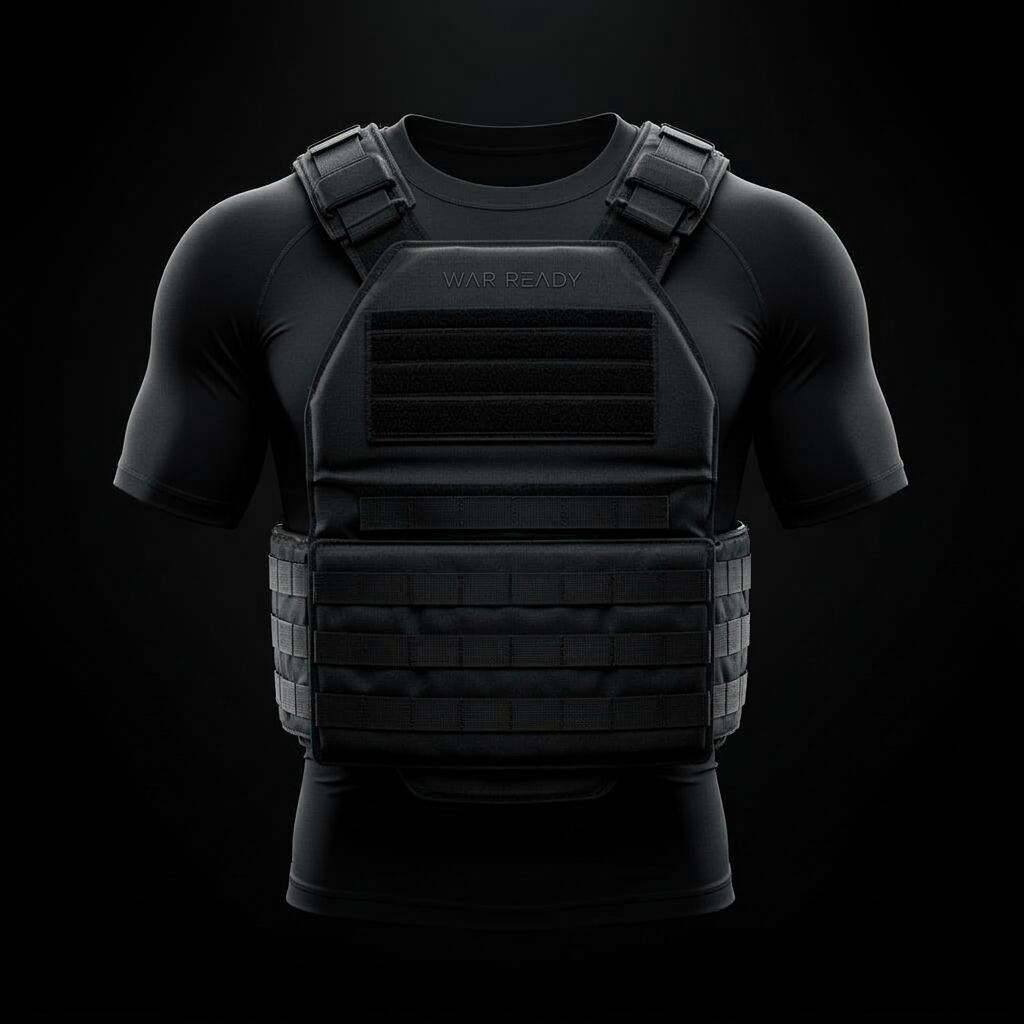
Uniform
Apparel.
Engineered for movement, concealed carry, and the long days in between.
Systems04
Carry, Field, Training, Travel — every garment slots into one.
Mills07
Vetted textile partners across Japan, Italy, Portugal, and the US.
Field test90d
Days every prototype must survive in member rotation before approval.
Drop size≤500
Maximum units per SKU per release. No restocks. No mid-cycle markdowns.
The carry system
Concealed-carry first. Tailored second.
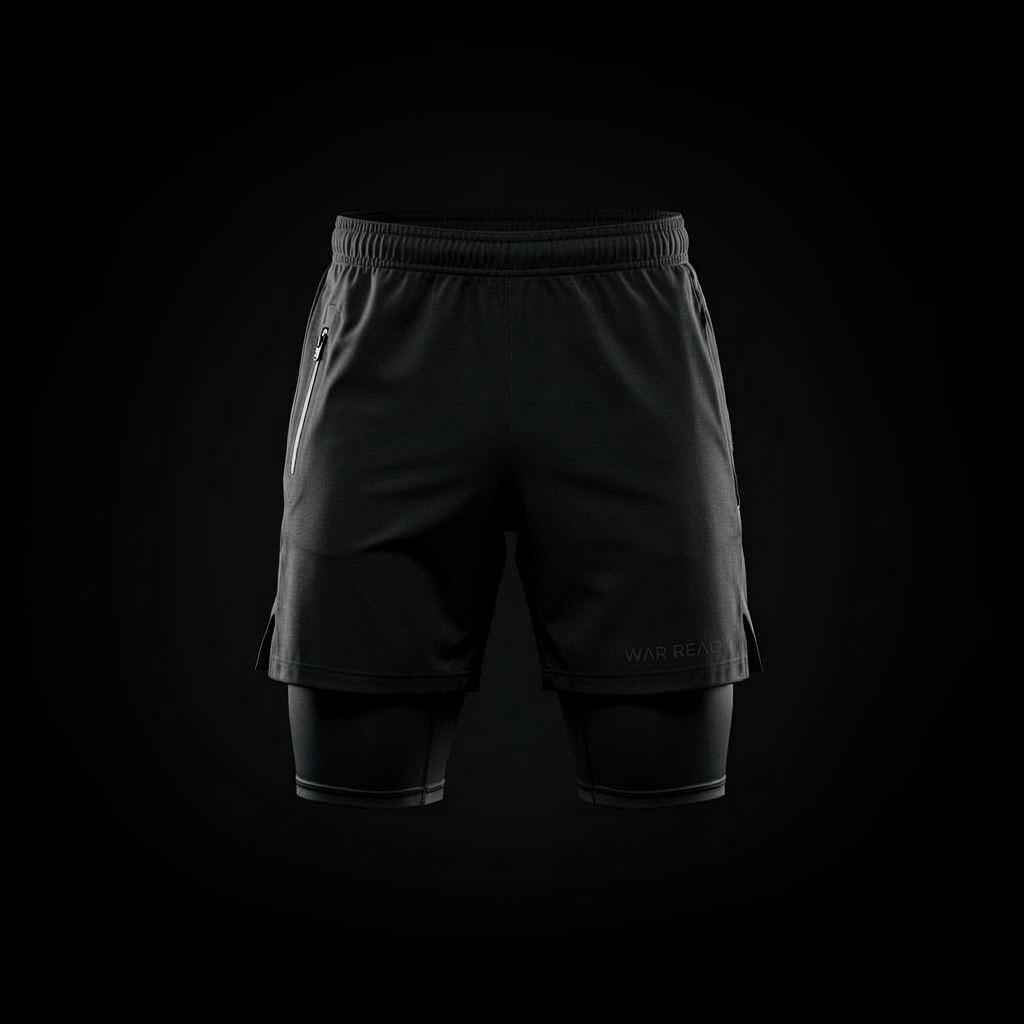
Every garment in the Carry system starts from a single constraint — disappear the pistol without breaking the line. Reinforced waistbands. Internal retention loops. Hidden mag pockets. Patterned on operators in motion.
- Reinforcement
- 2.5oz interfacing at belt loops, bar-tacked at every stress point, double-needle topstitch.
- Holster fit
- Tested with kydex IWB and AIWB from Tier 1, T.Rex, Phlster, and JM Custom.
- Mag pockets
- Single- and double-stack hidden mag pockets — invisible draped, accessible under stress.
- Fabric
- Japanese stretch twill, 9.5oz — four-way recovery, abrasion-rated, matte hand.
Four systems01 02 03 04
Designed around the day.
Carry System
Concealed-carry-first construction. Reinforced waistbands, hidden mag pockets, internal retention loops engineered for IWB and AIWB holsters.
Field System
Durable shells, abrasion-resistant knees and elbows, articulated patterning. Built for range days, recovery flights, and long travel weeks.
Training System
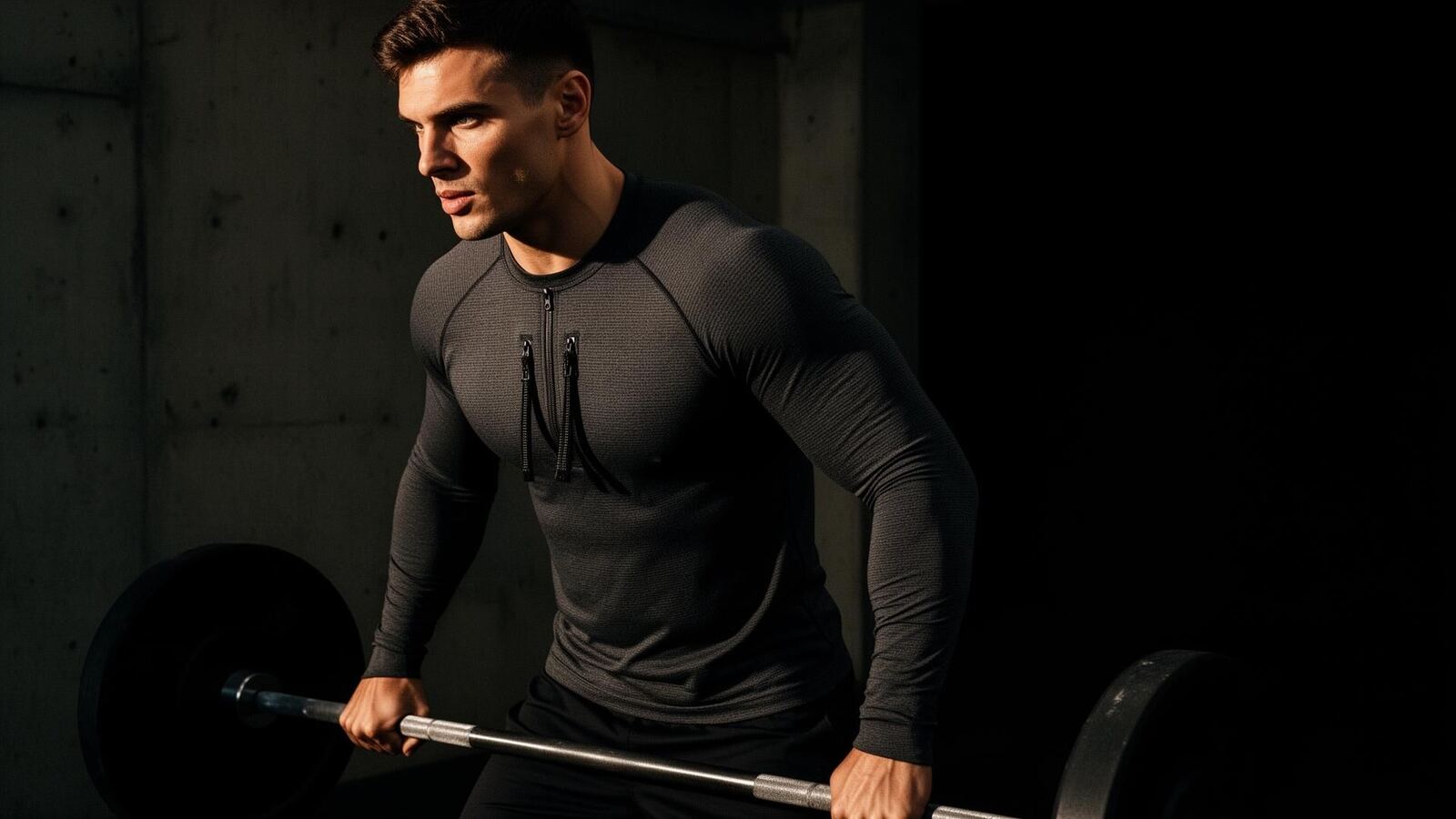
Four-way stretch, anti-microbial liners, flatlock seams. Designed with combat athletes for strength, conditioning, and combatives.
Travel System
Wrinkle-resistant tailoring with hidden secure pockets and RFID-blocking liners. Boardroom in front, EDC in back.
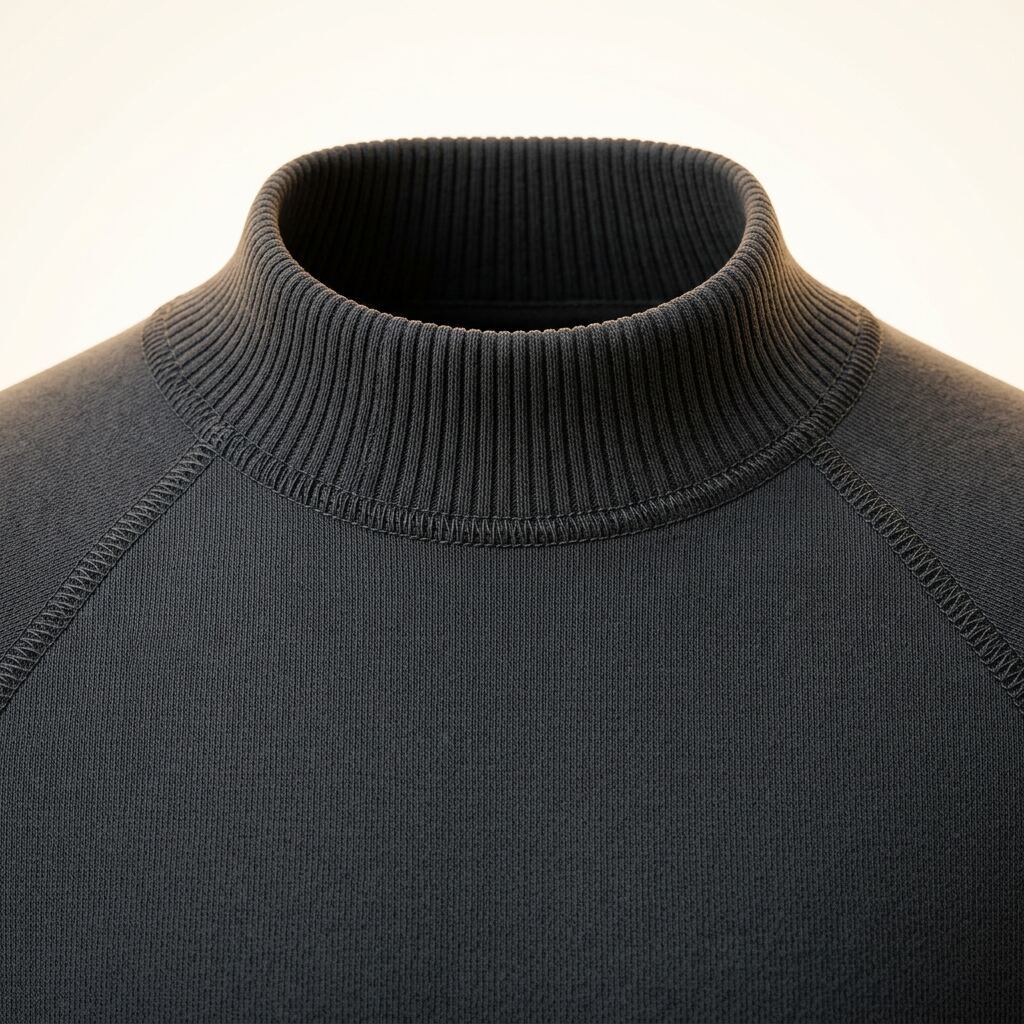
Japanese Stretch Twill
Sourced from a single Osaka mill — engineered for 4-way recovery and abrasion resistance without the sheen of synthetics.
Italian Merino & Wool Blends
Biella-mill yarns spun for temperature regulation, odor resistance, and a weight that drapes instead of clings.
Portuguese Heavy Jersey
12–16oz loopback cottons milled in Porto. Dense hand, controlled shrinkage, dyed to outlast seasons.
US Cordura & Nylon
Domestic mil-spec textiles for vests, packs, and hardware-bearing panels. Rated, traceable, and overbuilt.
From brief to drop
How a garment earns the label.
Six waypoints — six months on average. We move slowly so the wearer never has to think about whether the garment will hold.
- 01
Brief
An athlete-led brief — what fails, what is missing, what needs to be carried, concealed, or survive a week away from a washing machine.
- 02
Pattern
First patterns drafted on bodies in motion — drawing a pistol, climbing a ladder, kneeling, sprinting. Static fit is the last test, not the first.
- 03
Sample
Three sample rounds with the mill. Each round corrects fabric, hardware, stitch density, and stress-point geometry.
- 04
Field cycle
Ninety days in rotation with vetted athletes across climate, load, and use case. Wash cycles tracked. Failures photographed and logged.
- 05
Production
Final tech-pack signed off, limited cut scheduled, hardware traceability documented down to the last grommet.
- 06
Release
Members get a 72-hour priority window. Public release follows. When the run sells out, the run sells out.
Craft01 02 03 04
Four steps from concept to closet.
Cut
Patterns drafted on operators in motion — drawing, climbing, kneeling, sprinting — not on still mannequins.
Sew
Bar-tacked stress points, double-needle hems, flatlock seams. Built to outlive the season's cycle.
Test
Every prototype enters a 90-day field cycle with vetted athletes before it earns a production order.
Ship
Limited drops. No restocks. Built to the standard, then closed.
Sizing
Built on real proportions.
Six sizes drafted on athletic-build men. If you are between sizes, size down on stretch fabrics, up on shells.
- XS / 0
- 5'7"–5'9" · 32–34" chest · 28–29" waist
- S / 1
- 5'8"–5'10" · 35–37" chest · 30–31" waist
- M / 2
- 5'10"–6'0" · 38–40" chest · 32–33" waist
- L / 3
- 6'0"–6'2" · 41–43" chest · 34–35" waist
- XL / 4
- 6'1"–6'3" · 44–46" chest · 36–37" waist
- XXL / 5
- 6'2"–6'5" · 47–49" chest · 38–40" waist
Care
How to keep the kit alive.
Performance fabrics reward the right care and punish the wrong care. Follow the protocol — the garment will outlast the trend cycle several times over.
- Wash
- Cold cycle, inside-out, like-with-like. Skip the bleach and the fabric softener — both shorten the life of performance textiles.
- Dry
- Hang dry for stretch fabrics and merino. Tumble low only for heavy jersey and twill. Never on high heat.
- Store
- Folded, not hung, for knits and outerwear shells. Hung for tailored pieces. Out of direct sunlight.
- Repair
- We repair anything we make for as long as we make it. Submit through your member portal and we ship a return label same day.
We do
How the kit is meant to live.
- Treat the garment like a tool — clean it, repair it, use it hard.
- Buy your honest size. Drape is engineered into the pattern, not earned by going up.
- Layer the systems. Carry under Field, Field under Travel.
- Submit feedback. Patterns evolve from member rotation, not focus groups.
We don't
The shortcuts we refuse.
- Wait for a discount — there is no in-season discount.
- Mistake heavy logos for performance.
- Iron the stretch fabrics. Ever.
- Hand a worn-out garment to the bin before sending it back for repair.
Questions01 02 03
What members ask first.
Where is it made?
Across a vetted set of partners — knits in Portugal, technical outerwear in Vietnam under a long-term partner, tailoring in Italy, hardware-bearing kit in the United States. We publish factory information in the member portal.
Why no restocks?
Limited production keeps the standard high, the inventory honest, and the work close to the craftspeople who built it. If a piece becomes a permanent staple, it earns its way into the line — never the other way around.
What is the return policy?
Thirty days, no questions, on unworn items. Worn items are eligible for repair or alteration through our member service indefinitely.
Engineered for movement. Tailored for command.